5 Signs You Need a Roofing Contractor
You should call a roofing contractor if you notice missing shingles, sagging rooflines, excessive granules in your gutters, or water stains on your ceiling. Professional intervention is recommended every few years to identify minor wear before it escalates into structural damage or hazardous mold growth within your home.
What are the common signs of roof damage?
Identifying roof damage early is the most effective way to prevent catastrophic failures and expensive emergency repairs. For many homeowners in San Jose, the roof is an out-of-sight, out-of-mind component of the house. However, environmental factors like intense UV exposure, seasonal thermal expansion, and occasional heavy downpours mean that your roof is constantly under stress. When that stress exceeds the material's tolerance, physical signs begin to manifest.
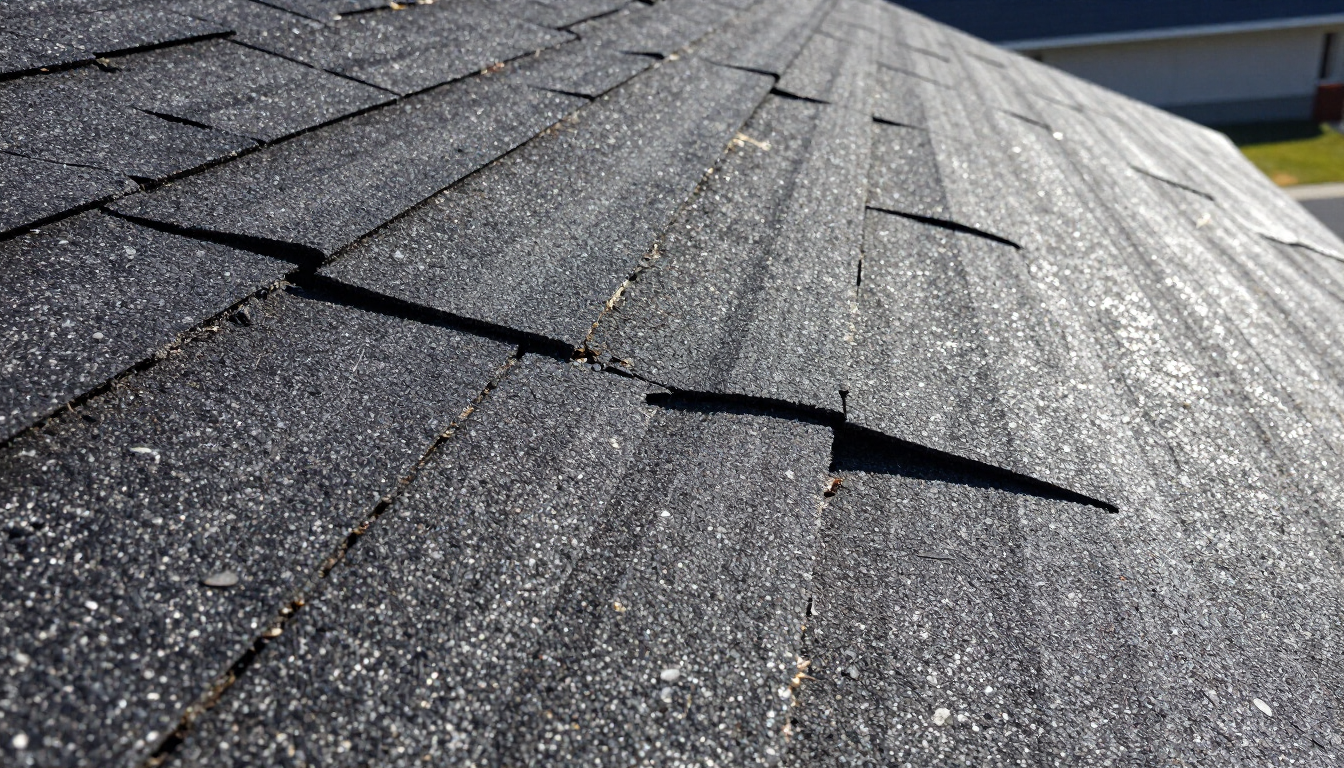
One of the most obvious signs is the visual degradation of asphalt shingles. You should look for curling edges, buckling surfaces, or shingles that appear to be "balding." This balding occurs when the protective mineral granules wash away, leaving the underlying bitumen exposed to the sun. If you notice a sandy substance accumulating in your downspouts or gutters, it is a clear indicator that your shingles are reaching the end of their functional lifespan. Without these granules, the shingle loses its fire resistance and its ability to shed water effectively.
Another critical sign is the presence of cracked or damaged flashing. Flashing is the thin material, usually galvanized steel or aluminum, installed to direct water away from critical areas of the roof, such as chimneys, vent pipes, and valley transitions. If the sealant around these areas has dried out or the metal has corroded, water will inevitably find a path into your home's structure. Often, a small leak at the flashing can go unnoticed for months, slowly rotting the wooden decking beneath.
How does attic health impact your roof?
Your roof’s health is inextricably linked to the environment directly beneath it. The attic serves as a buffer zone, and if it isn't managed correctly, it can destroy a roof from the inside out. Ventilation is the most significant factor here. A poorly ventilated attic traps heat and moisture, which leads to a host of problems that require immediate attention from a Roofing Contractor who understands local building codes.
During the warm San Jose summers, attic temperatures can soar above 150 degrees Fahrenheit if air isn't circulating. This excessive heat literally "bakes" the shingles from underneath, causing them to become brittle and lose their adhesive properties prematurely. Conversely, in the cooler, damper months, moisture from household activities like showering or cooking can rise into the attic. Without proper airflow, this moisture condenses on the underside of the roof deck, leading to wood rot and the growth of mold and mildew.
If you step into your attic and notice a musty smell, damp insulation, or dark streaks on the wooden rafters, these are red flags. You might also see light peeking through the roof boards during the day. While a small amount of light might seem harmless, it indicates gaps that are large enough for wind-driven rain and pests to enter. Addressing these issues often involves more than just patching a hole; it requires a comprehensive look at your home’s Services and ventilation systems to ensure long-term durability.
5 Critical Indicators of Roofing Failure
- Sagging Roof Lines : This is a structural emergency. A sag suggests that the decking is saturated with water or that the rafters themselves are failing under the weight of the roofing materials.
- Interior Ceiling Stains : Bubbling paint or yellow-brown circles on your ceiling are the first signs that water has breached the external barrier and the internal insulation.
- Visible Moss and Algae : While common in shaded areas, excessive moss can lift shingles and trap moisture against the roof, accelerating decay.
- Sudden Energy Bill Increases : If your HVAC system is working harder to cool your home, it may be due to compromised roof insulation or heat-trapping attic issues.
- Age of the System : Most asphalt shingle roofs are designed to last 20 to 25 years. If yours is approaching two decades, it is time for a professional assessment regardless of visible symptoms.
Roof Repair vs. Roof Replacement: Which is best?
Deciding whether to patch a leak or replace the entire system is a common dilemma. Generally, if the damage is localized to a small area—such as a few shingles blown off during a storm or a single leaking pipe boot—a targeted repair is the most cost-effective solution. Professional Roof Repair can extend the life of an otherwise healthy roof by several years, preventing minor issues from spreading.
However, if the roof is showing signs of widespread wear, a replacement is often the more financially sound choice in the long run. When more than 30% of the roof is compromised, or if there are multiple leaks occurring simultaneously, the structural integrity of the entire system is in doubt. Furthermore, layering new shingles over old ones (a "recover") is often discouraged by experts as it adds unnecessary weight and hides underlying deck rot. A full tear-off and replacement allow your contractor to inspect the wood deck and install modern underlayment and ice/water shields.
The Financial Impact of Delayed Maintenance
Waiting for a visible drip to occur before calling a professional is one of the most expensive mistakes a homeowner can make. By the time water is dripping from a ceiling fixture, it has already traveled through your roofing deck, saturated your attic insulation, and likely begun to compromise your electrical wiring or drywall. The cost of a simple shingle replacement is a fraction of the cost required for mold remediation and structural timber replacement.
In San Jose’s competitive real estate market, the condition of the roof is a primary factor in property valuation. For those looking at New buyers or long-term investment, a certified roof inspection report provides peace of mind. A well-maintained roof not only protects the physical structure but also preserves the home's resale value. Investing in preventative maintenance, such as gutter cleaning and minor flashing adjustments, ensures that you are not hit with a five-figure replacement bill unexpectedly.
Why local San Jose expertise matters for your roof?
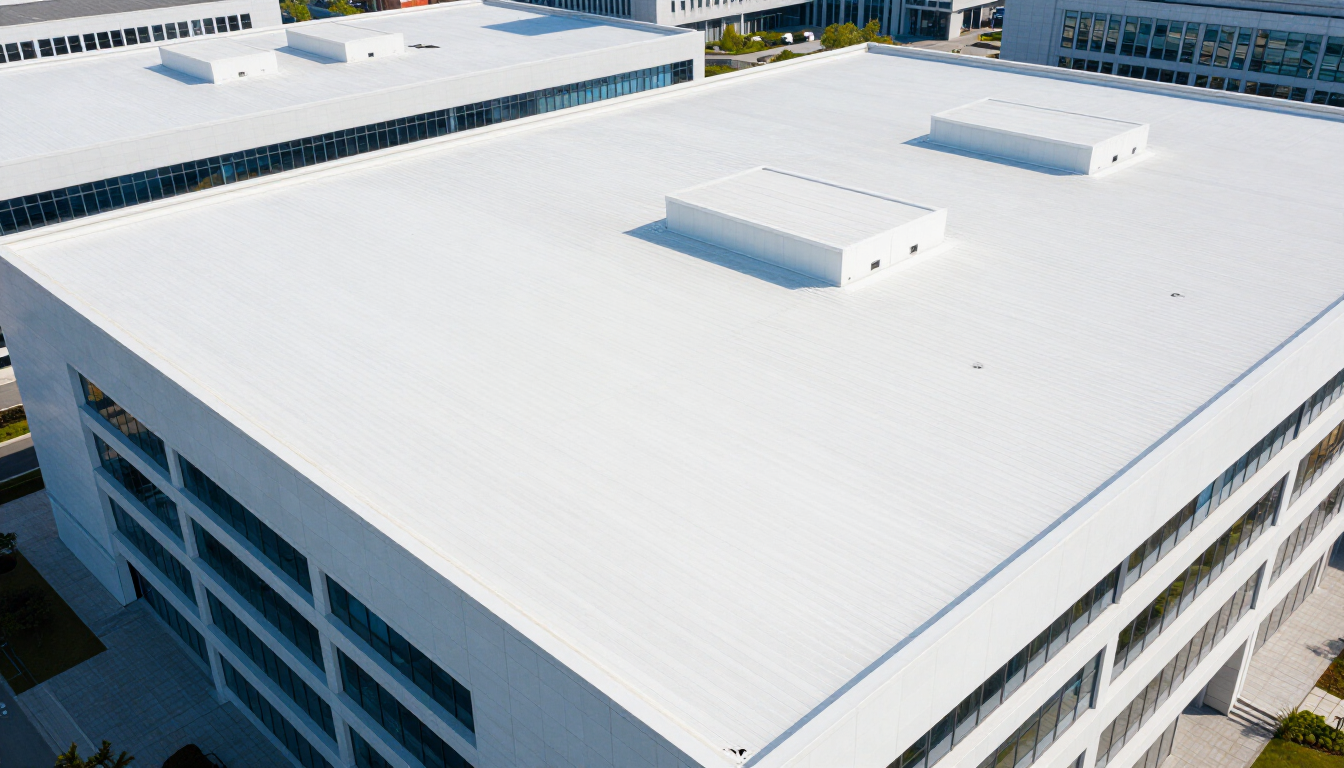
Every geographic region has its own set of environmental challenges. In Northern California, roofs must withstand high UV indices and significant temperature fluctuations between day and night. A local contractor understands which materials are best suited for this Mediterranean climate. For instance, cool-roof technology and reflective shingles are becoming increasingly popular in the South Bay to help reduce internal home temperatures and lower cooling costs.
Furthermore, local contractors are familiar with the specific building codes and permit requirements of the City of San Jose. Whether you are managing a residential property or a large-scale commercial building, compliance with California’s Title 24 energy standards is crucial. Working with a team that has a proven track record in the community ensures that your warranty will be honored and that the labor is performed by professionals who understand the local landscape. You can view our previous work in the Gallery to see how we handle diverse architectural styles.
Gutter Maintenance and Home Protection
A roof is only as good as its drainage system. Gutters and downspouts are designed to carry thousands of gallons of water away from your home’s foundation. If they are clogged with leaves, debris, or shingle granules, the water backs up under the roof's edge (the eaves). This leads to fascia board rot and can even cause water to flow backward under the shingles, bypassing the drip edge entirely.
Professional roofing services often include gutter installation and repair because the two systems are so closely linked. Installing gutter guards can significantly reduce the frequency of cleaning required, but it does not eliminate the need for periodic inspections. Ensuring that water is discharged at least five to ten feet away from the foundation is essential for preventing basement leaks and soil erosion. If you haven't had your gutters checked recently, it is a vital step in your annual home maintenance checklist.
Essential Roof Health Takeaways
Maintaining your home's first line of defense requires a combination of vigilance and professional expertise. By understanding the warning signs and acting quickly, you can avoid the stress of emergency repairs and the high costs of premature replacement.
- Perform Bi-Annual Checks : Inspect your roof and gutters every spring and fall to catch debris buildup and minor shingle damage.
- Prioritize Ventilation : Ensure your attic is breathing correctly to prevent shingles from baking and wood from rotting.
- Act on Interior Signs : Never ignore water spots or peeling paint on ceilings; these are indicators of an active breach.
- Choose Local Pros : Work with contractors who understand San Jose's climate and building regulations for the best results.
- Safety First : Never attempt to climb a damaged or steep roof yourself. Always hire a licensed professional for inspections.
If you have noticed any of the signs mentioned in this guide, do not wait for the next storm to test your home's integrity. Contact Us today for a professional evaluation and ensure your home remains a safe, dry sanctuary for years to come. Whether you need a simple gutter repair or a complete commercial roof installation, our team is ready to provide the professional service you deserve.